
Trans Day of Visibility: Why Affirming Healthcare Spaces Matter
This Trans Day of Visibility (TDOV), Waverley Care is spotlighting our Trans and Non-binary Clinic, a community sexual health clinic that supports people to access sexually transmitted infection (STI) testing, pre-exposure prophylaxis for HIV (PrEP), cervical screening and contraception.
We know that trans and non-binary people in the UK continue to face significant barriers to sexual health care and often report poorer experiences than cisgender people.
In partnership with LGBT Health and Wellbeing, LGBT Youth Scotland and NHS Lothian, this service is designed to reduce those barriers whilst working alongside communities to deliver care that is accessible, inclusive and shaped by the people it serves.
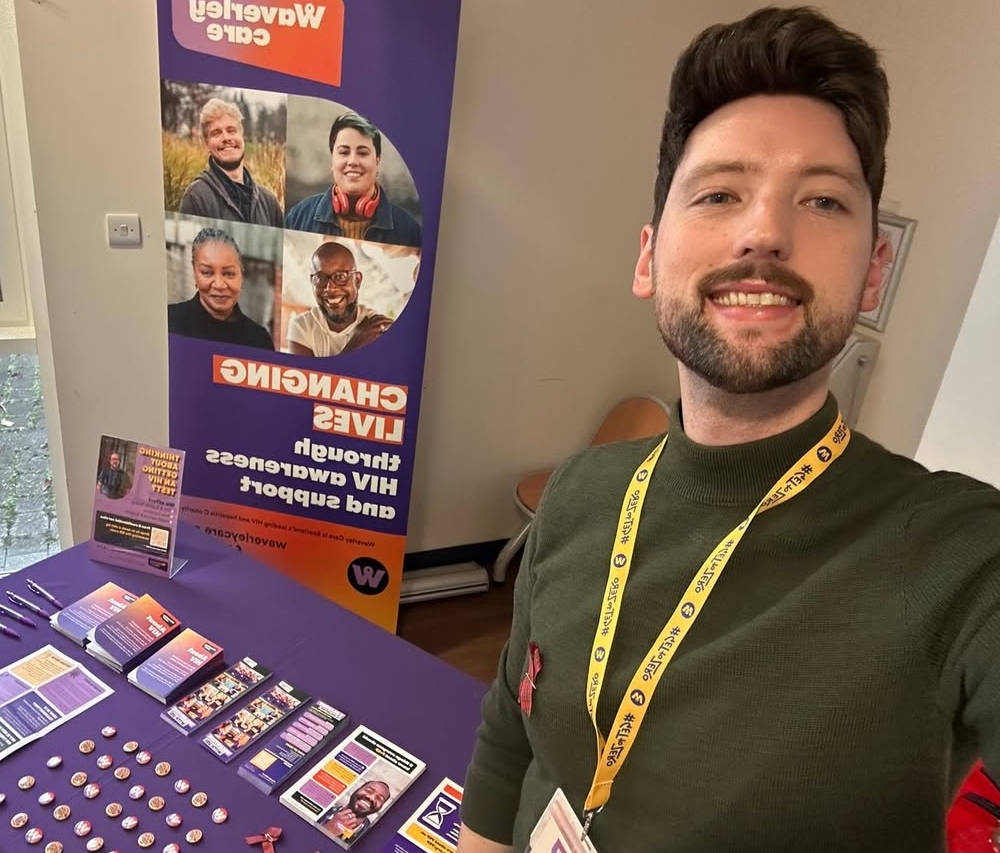
To mark TDOV, we spoke with Christopher Ward, Waverley Care’s Senior Services and Education Manager, about why this service exists, the challenges trans and non-binary people face when accessing sexual health care, and the difference an affirming space and true visibility can make.
Access & Equity
A year on from our Trans & Non-Binary Community Clinic opening, we want to emphasis visibility is about more than just being seen. It’s about being supported, respected and able to access the care you need without fear.
The clinic was created with this at its core: a confidential, welcoming space where trans and non-binary people, whether out or not, can access free, non-judgemental sexual health care. Chris, Waverley Care’s Senior Services and Education Manager, explains:
Community services are so vital because you can navigate and reduce barriers that traditional services might not be able to. People who come to our clinic note that they know here their identity would be understood and valued, and there would be no presumption about their sexual health needs.
Sexual health clinics can feel daunting for many people, and for trans and non-binary individuals, there are often additional layers of complexity to navigate with trans people continuing to face disproportionately high rates of discrimination, harassment, and even violence. This can make accessing healthcare feel unsafe or stressful.
Our clinic was built with affirmation as the foundation of the service: from using the right language and offering flexible drop-in options, to giving people the time and space they need, every visit is designed to be respectful and supportive.
Data from our clinic highlights the impact of this approach, with one in three attendees having never had an STI screening before, showing that mainstream services are often not accessible or welcoming enough for the trans community.
More than a medical service, our clinic is a place of safety, validation, and access, ensuring that trans and non-binary people can get the care they need with dignity and respect. Chris says, “Spaces such as this clinic make sexual health and HIV testing easier and less daunting. The clinic has community members involved in supporting running the space, making it friendly and non-clinical, and this can go a long way to reducing the anxiety people might have getting tested.”
Our dedicated community clinic isn’t about creating separation; it’s about creating equity. Offering services from STI testing to PrEP, contraception and cervical screening, the clinic is intentionally designed outside of a traditional clinical setting to feel calm, inclusive and accessible.
At its core, it exists to address inequity, and that something different is not just beneficial, but necessary.
Reflections and Partnership Working
Over the past year, our Trans & Non-binary Community Clinic has remained the only service of its kind in the UK, providing inclusive and equitable sexual health care.
Its importance is clear, with people travelling from six health boards across Scotland to attend, showing it reaches far beyond Edinburgh.
As Chris says, “The only way that has been possible is through the strong partnership we have with NHS Lothian, LGBT Health and Wellbeing and LGBT Youth Scotland,” highlighting the vital role of collaboration in sustaining this work, even in challenging times.
Community-informed care is central to this clinic’s approach. Feedback from attendees shapes how services evolve, and we are always listening.
From encouraging uptake of cervical screening to adapting appointments to be more comfortable and relevant. Chris highlighted how services have been adapted “to ensure we grow and respond to the community’s needs, we involve community members in the delivery, design and future of the service.” Designing services with the community, rather than for them, leads to more person-centred, inclusive care, and helps to build trust.
A key example of the importance of accessible and affirming care is the uptake of HIV PrEP. Chris highlighted, “PrEP uptake among trans and non-binary people in Scotland has been low; however, 25% of all attendees at the clinic have been able to make PrEP part of their HIV prevention plan.”
This insight from Chris demonstrated that there was a clear unmet need and that providing care in a community-led, supportive environment can make a real difference in helping people access vital preventative health services.
The importance of having a dedicated, affirming space is visible in the small but powerful moments: the relief on a patient’s face as they return to the waiting room after their appointment, the simple words ‘that was easy’ or ‘the team are really lovely.’ These moments show that sexual health care doesn’t have to be intimidating—when people are given time, respect, and dignity, it can be accessible, affirming, and straightforward.
Ripple Effect
Investing in inclusive services benefits far more than just trans and non-binary people. Strengthening trans engagement in sexual health services leads to earlier detection and quicker treatment of STIs and reproductive health concerns, creating a positive impact on population health. As Chris explains:
Everyone has the right to a high standard of healthcare, and that should be across the board. By demonstrating the positive impact of this clinic, other communities can see that it’s possible too. Healthcare should be accessible to all.
Inclusive, non-judgemental care also has a ripple effect: staff trained to provide affirming services carry these skills into other areas of their work, helping to improve trust and confidence in the wider healthcare system. Ultimately, investing in inclusive services builds a stronger, healthier, and more trusted healthcare system for everyone.
Looking ahead
Looking forward, the clinic hopes to continue growing and reaching more people in need of inclusive sexual healthcare. Chris highlights, “We’ve already made great progress in terms of PrEP access and first-time testers. But we are always aware that this is just one location, and if we could see similar things taking place in other cities in Scotland, that would be amazing.”
The aim is to extend this model of community-led, affirming care across Scotland, ensuring that trans and non-binary people everywhere have access to safe, supportive, and inclusive sexual health services.
How you can Support Trans Day of Visibility
Supporting trans visibility can be simple. This could mean adding your pronouns in your work email signature and introducing yourself with your name and pronouns at meetings, educating yourself and sharing reliable stories, respecting a trans person’s right to tell their own story, or showing up and taking action when opportunities arise. Chris states:
Show up for trans and non-binary people: promote community events, educate yourself and others, and advocate for a better Scotland. Trans Day of Visibility is a chance to celebrate the community and combat rising anti-trans narratives, while always respecting that visibility is a personal choice.
Supporting trans visibility supports us all, and by acknowledging and uplifting the trans community, we celebrate the diversity of human self-expression, boundaries, and personal experiences.
Being a trans ally not only supports the community but also challenges restrictive gender norms, fosters mental wellbeing, and promotes greater equality for everyone.